How Ebooks Can Generate Leads for Your Business
 Jamie Beebe : June 22, 2021
An increasingly popular type of content that provides value to your audience is the eBook. Learn how to use the eBook as an impactful marketing tool!

Unpopular opinion: not all content should be free.
Wait — before you run away, hear me out.
Yes, ungated content creates a great user experience, builds trust with your audience, and boosts your visibility and SEO. In fact, it’s one of the best ways to connect with potential new clients.
But as with any relationship, there comes a time when you need to take things to the next level.
Gated content, when done right, isn’t about putting up walls. It’s about creating a deeper connection through a moment of exchange: You offer something valuable; your audience says yes.

Image from giphy.com
The challenge? Knowing what to gate, when to gate it, and how to do it without hurting your user experience.
This guide breaks down how to think about gated content strategically so you can attract real prospects — not just clicks. Read on to learn how and when to use gated content to attract prospects and grow your business.
Gated content is, simply put, content that requires users to provide personal information (such as their name, email address, and company name) to access it. It’s typically used to generate new leads and capture contact information so you can nurture those relationships.
If you’ve ever downloaded a guide or signed up for a webinar, you’ve experienced gated content in action. And chances are, you didn’t mind sharing your information, because what you got in return felt worth it.
That’s the heart of a strong lead magnet: offering something useful enough that your audience can’t wait to take you up on it.
Used thoughtfully, gated content helps turn anonymous visitors into real prospects without disrupting the user experience you’ve worked so hard to create. When you get the balance right, gated content stops feeling like a barrier and starts working like a bridge — connecting your brand with the people who are most ready to move forward.
The key is being intentional about what you gate and why.

Both gated and ungated content are necessary to create a good user experience and draw in new leads. And each serves a different purpose:
While ungated content can get you wayyyy more views, gated content promotes deeper engagement with viewers. One is broad; the other is deep.
Both are needed.
There are two different ways to gate your content:
Hard gating requires the user to fill out a full form to gain access. It’s best for high-value content meant for later stages of the customer journey.
Soft gating makes the form optional, and content is still partially accessible to those who choose not to fill out the form. Soft gating encourages engagement, reduces bounce rates, and often produces higher-quality, more willing leads.

We’ve all been there: you find a resource that looks perfect … but then that form pops up.
Sometimes, your knee-jerk response is “Ugh, I hate these stupid forms!” (we totally get it). But occasionally, you’re happy to plug in your information to gain access to it.
What makes the difference?
The short answer: Value, timing, and trust.
The longer answer: Whether gated content is effective depends on how you use it. Done poorly, it can turn people away before they even get started. But when it’s done well, it can be one of the most effective ways to attract and qualify prospects.
Too much gated content can weaken your user experience and tank your engagement. That’s why it’s important to keep most of your content ungated, including:
In general, any content meant for consumers in the early stages of the customer journey should be ungated. Asking for someone’s data too early in the relationship creates friction — first, you have to build trust.
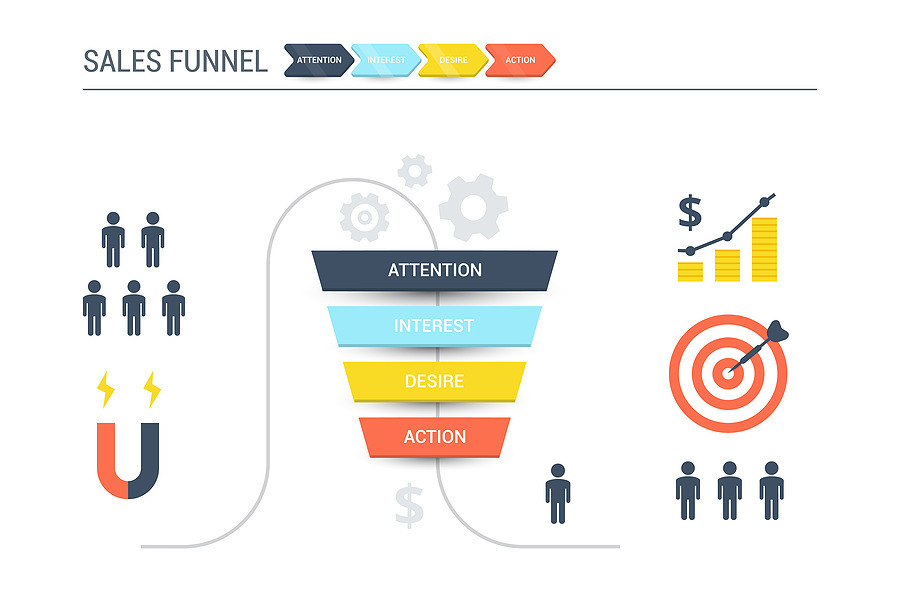
Once you’ve built trust with prospects through free, accessible content, you can invite them into a deeper relationship through gated content like:
Generally speaking, gated content is important to use when you want to qualify leads or optimize for your lead pipeline — not just for traffic. Gated content supports both lead nurturing and sales: When a prospect fills out a form, that signals much stronger buyer intent than more passive consumption, like reading a blog.
It’s an easy way to tell when a prospect is ready for more.
Not sure where to start with gating your content? Try one of these formats:
And keep in mind: The more actionable and specific your asset it, the more likely it will be to convert.
👉Learn more about lead magnets — including our top 12 kinds to try — in this blog.

Once you’ve decided what content to gate, you need to make sure you’re doing it in a way that doesn’t ruin your website’s user experience (UX).
First, a few things to avoid: Stay away from common mistakes like gating low-value content, asking for too much from your audience too soon in the relationship, and ignoring buyer’s journey stages.
Instead, do this:
And, of course, make sure to follow up with your new leads right away. This may seem like a no-brainer, but you’d be surprised how often we see clients miss out on sales simply because they’re not following up with leads fast enough. (Pro tip: Make sure you have the capacity to handle new leads before you start offering a new lead generation opportunity!)

Here’s the TL;DR: The best way to use gated content to attract prospects is to sprinkle it in amongst your ungated content.
Think of gated content as one part of a bigger conversation: Ungated content builds awareness and trust; gated content captures high-intent prospects.
First, show up with helpful, accessible insights. Then, when the moment is right, invite your audience to take the next step. Keep the user experience thoughtful and the value high — and don’t overcomplicate it.
Because when your content truly delivers, your ideal prospects won’t hesitate to say yes.
Want more help improving your lead generation and overall marketing strategy? Outsource it. 👉Download our ebook to learn the top 7 reasons to consider outsourcing your digital marketing (see what I did there? 😉). And when you’re ready to move forward, the Wild Fig team will be here, ready to help.
 Jamie Beebe : June 22, 2021
An increasingly popular type of content that provides value to your audience is the eBook. Learn how to use the eBook as an impactful marketing tool!
![The IncrediBulb Campaign [A Multimedia Marketing Success Story]](https://www.wildfigmarketing.com/hubfs/Blog%20Images/2022%20blogs/Incredibulbheader.gif)
 Kari Switala : August 3, 2022
Has your lead generation strategy gone stale? We’re here to take your marketing inspo from zero to hero. Read on to see how we used a multimedia...
 Kari Switala : June 19, 2023
Paid Google Ads are among the most popular ad options on the most used search engine in the world. But are they a good use of your marketing dollars?